


An Interior Designer's Guide: Choosing the Right Fitted Carpet
Choosing a fitted carpet can feel like a big decision. From pile types and materials to colour, durability and room use, there’s more to consider than many people realise. While at Lilla Rugs we specialise in handmade Oriental rugs rather than fitted carpets, it’s a question we’re asked about often—especially by customers trying to decide what will work best in their homes.
Because of that, we thought it would be helpful to share some expert guidance. In this guest blog, an interior designer walks through the key things to think about when choosing a fitted carpet, from practical considerations to the design details that make a space feel finished. Whether you’re planning a full renovation or simply exploring options, we hope this advice helps you make a more confident choice.
By Posie Milligan, Founder and Interior Designer at House of Milligan
Photo Credits: Pinterest

Choosing a carpet can feel surprisingly overwhelming. What starts as a simple decision quickly turns into questions about fibres, textures, piles and practicality - all while standing under unforgiving showroom lighting.
As an interior designer (and a mum of two), I always approach carpet choices the same way: it has to look good, feel good and work hard for everyday life. The best carpet is the one that quietly does its job without demanding too much attention.
Here’s my guide to choosing a carpet that will stand the test of time.

Start with the material: natural or synthetic
Before colour or softness, the most important decision is the fibre.
Wool carpets are a natural fibre and my go-to where budget allows. They’re warm, breathable and insulating and they wear beautifully over time. Wool has a natural resistance to stains and tends to bounce back better than synthetic fibres, making it ideal for living spaces and bedrooms.
The downside is cost - wool is more expensive - and it can be vulnerable to moths if not properly treated, particularly in quieter areas of the home.
Polypropylene carpets are synthetic and far more budget-friendly. They’re highly stain-resistant, easy to maintain and a practical choice for family homes, children’s spaces or rental properties.
However, they don’t age as gracefully as wool. Over time, polypropylene can flatten and lacks the breathability and sustainability of natural fibres.
Interior designer advice:
If you can, choose wool or a wool blend for main living areas. Polypropylene works well where durability and stain resistance are the priority.

Texture, traffic and what works on stairs
Texture should always be chosen with traffic levels in mind.
High-traffic areas such as hallways, landings and stairs need something durable. A loop pile or tight twist will hold its shape far better than anything soft or plush.
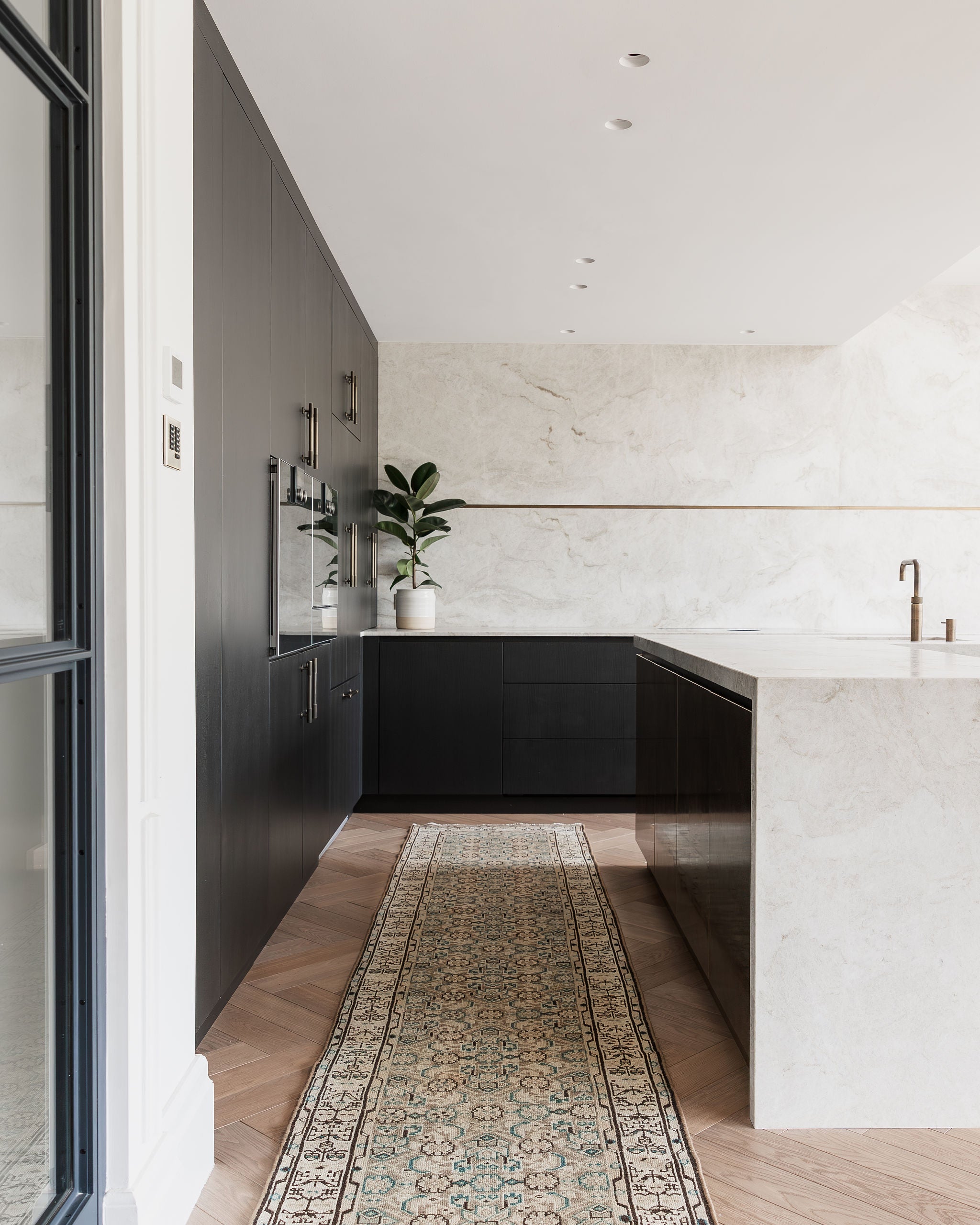
This is also where stair runners are worth considering. A runner can add texture or subtle pattern without fully carpeting the stairs and they often wear better over time. They’re easier to replace in the future and can create a more architectural feel when paired with painted or stained timber edges.
One practical downside to runners is that the exposed edges can become dust-bunny collectors, meaning they do need a little more regular hoovering than fully carpeted stairs.
Interior designer tip:
Whether you choose a runner or fully carpeted stairs, avoid deep-pile or overly soft carpets - they’ll show wear quickly and lose their structure.

Colour choice: practical first, pretty second
Colour plays a huge role in how your carpet looks day to day.
Very pale carpets show marks easily, while very dark tones can highlight dust and footprints. Mid-tone neutrals tend to be the most forgiving, especially in busy homes.
Warm neutrals usually feel softer and more timeless than cool greys and carpets with subtle flecks or a heathered finish are excellent at disguising everyday wear.
Interior designer tip:
If you’re unsure between two shades, go slightly warmer - it will sit more naturally within your space.

Don’t overlook pile height
Pile height affects both comfort and maintenance.
Short to mid-pile carpets are easier to clean and tend to last longer in busy areas. Deeper pile carpets can feel luxurious underfoot but are best reserved for bedrooms or low-traffic spaces.
A simple rule:
The busier the room, the shorter and denser the pile should be.

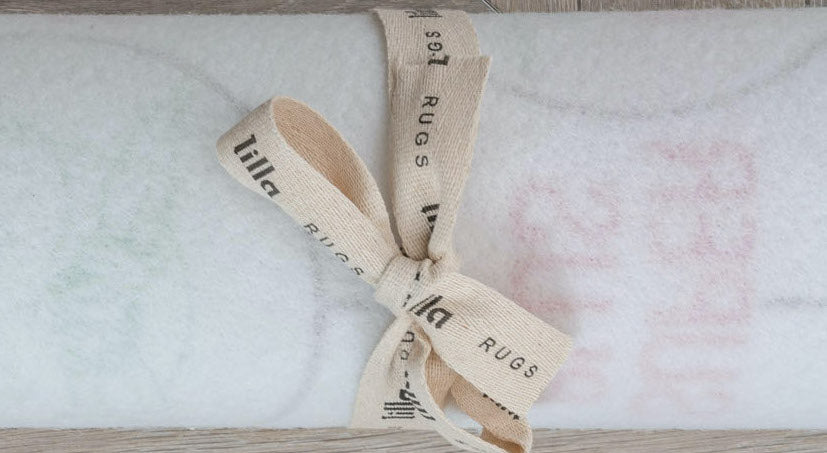
Underlay is non-negotiable
A good underlay can completely change how a carpet feels and performs.
It improves comfort, helps with insulation and sound absorption and significantly extends the lifespan of your carpet.
Interior designer tip:
Invest in the best underlay you can - it’s just as important as the carpet itself.
Always view samples at home
Lighting changes everything.
A carpet that looks perfect in a showroom can read completely differently at home. Always view samples in both daylight and evening light and place them next to your paint colours, flooring and wood tones.
Interior designer tip:
Beiges can suddenly look pink or grey at home - samples are essential.

Choose for real life
The best carpet isn’t the most expensive or the softest - it’s the one that suits how you actually live.
If you have children, pets or a busy household, prioritise durability and ease. A carpet should support daily life, not add stress.

Choosing a carpet doesn’t need to feel complicated. Start with the material, think honestly about how each space is used and prioritise comfort and longevity over trends. When chosen well, a carpet becomes a quiet backdrop to everyday life - warm underfoot, forgiving in busy moments and timeless enough to grow with your home.
Discover your dream Oriental rug from Lilla Rugs’ wide curated selection, perfect for elevating your home.